The Travel Budget Illusion: What Your Trips Actually Cost Versus What You Tell Yourself
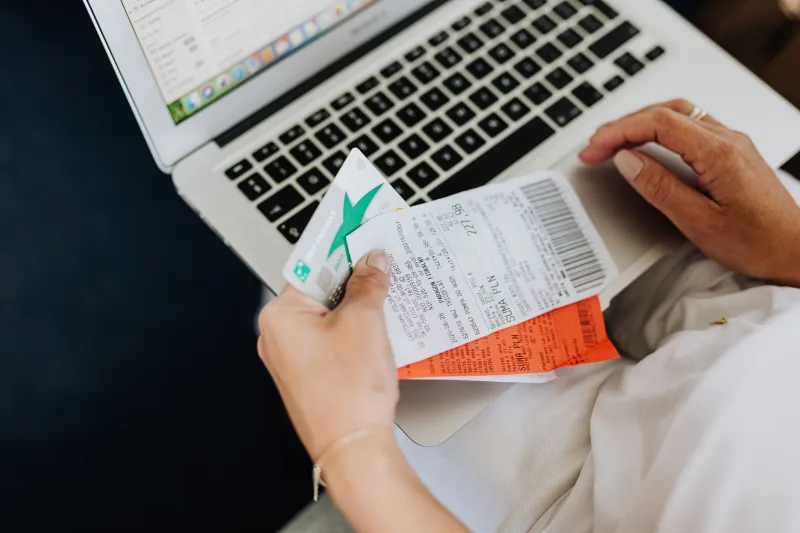
Let's say you just got back from a week in Mexico. Beach town, good tacos, a couple of cenotes. When someone asks what it cost, you say something like, "Oh, not that bad — flights were $380 round trip and the Airbnb was pretty affordable."
But here's the thing: that's not what it cost.
That's what you remember spending, or maybe what you're comfortable admitting. The real number — the one that includes the new sandals you bought before leaving, the airport margarita, the Uber to the terminal, the overpriced travel-size sunscreen at CVS, the "just one more round" on night four — that number is somewhere else entirely. And if you're honest with yourself, you probably don't know exactly what it is.
This isn't a budgeting lecture. It's something a little more uncomfortable than that.
We All Have a Travel Budget. Most of Us Are Fudging It.
Americans are not great at tracking travel spending — not because we're careless with money in general, but because travel has a unique psychological permission structure. We tell ourselves we've earned this. We remind ourselves that experiences matter more than things. We frame every splurge as an investment in memory.
And those things can all be true. The problem isn't the spending itself — it's the story we construct around it that doesn't match reality.
A 2023 survey from Bankrate found that nearly 40% of Americans went into debt to pay for a vacation in the past year. But ask those same people if they have a travel budget, and many will say yes. Both things are true at once: they had a budget, and they blew past it — possibly without fully realizing it.
That gap between intention and reality? That's where the psychology gets interesting.
The Pre-Trip Spending Blind Spot
Here's one of the most common ways travelers undercount costs: they don't include what they spent before leaving.
New luggage. A packing cube set from Amazon. That hiking jacket that was "on sale anyway." The passport renewal you finally got around to. Prescriptions for travel medications. A new phone case because yours was cracked. Maybe a travel rewards credit card you opened to get the sign-up bonus.
None of that shows up in the mental ledger labeled "Costa Rica trip." It gets filed under "stuff I needed" or "things I would've bought eventually." But if the trip hadn't been coming, most of it wouldn't have happened when it did.
Travel spending starts weeks — sometimes months — before the flight. The honest budget includes all of it.
The Partner Problem: When One Person Tracks and One Person Doesn't
This one's delicate, but it's real. In households where one partner is more travel-enthusiastic than the other, there's often a quiet system of financial minimizing at play. The excited one books the flights, shares the total, and maybe leaves out the resort fee. Or rounds down. Or books the "optional" activities separately so they don't seem like part of the trip cost.
It's not always deliberate deception — sometimes it's self-deception first, partner-deception second. If you haven't fully admitted to yourself what you're spending, you can't accurately share it with someone else.
Couples therapists and financial advisors who work with families often cite travel as one of the more consistent sources of financial friction — not because people want to fight about it, but because the numbers rarely get discussed with full transparency until after the credit card bill arrives.
The Rationalization Architecture We Build Around Splurges
Travel spending has its own vocabulary of self-justification. You've probably used some of these:
- "I don't go out much at home, so it evens out."
- "This is a once-in-a-lifetime trip."
- "I worked really hard this year."
- "It's cheaper than therapy."
- "I'll cut back next month."
None of these are inherently wrong. But they function as circuit breakers — ways of stopping the mental calculation before it reaches an uncomfortable conclusion. The upgrade feels justified. The private tour feels justified. The third dinner at the nice place feels justified.
And maybe it is! The issue isn't whether the spending was worth it. The issue is whether you're being honest about what it added up to.
Where Americans Consistently Get Blindsided
Beyond the pre-trip purchases and the mid-trip splurges, there are a few specific cost categories that almost everyone underestimates:
Airport everything. Parking, food, drinks, last-minute forgotten items — airports are designed to extract money from people in a transitional mental state. Budget travelers routinely forget to account for this on both ends of the trip.
Transportation within the destination. You booked the flights and the hotel. But how are you getting around once you're there? Taxis, rideshares, rental cars, ferries, trains — these add up fast, especially in cities where public transit isn't obvious to visitors.
Tipping and service fees. Americans tip at home, but many forget to factor in tipping while traveling, especially internationally where norms vary. And domestic travel has its own creeping fee culture — resort fees, destination fees, and tourism surcharges that aren't included in the advertised rate.
The re-entry costs. Coming home from a trip often means an empty fridge, a pile of laundry that needs the laundromat, maybe a few things that got damaged or lost. The trip isn't financially over when you land.
How to Actually Know What Your Trips Cost
The goal here isn't to make travel feel like a math test. It's to give yourself a clear picture so your spending actually lines up with your values — rather than discovering the mismatch six weeks later when the statement arrives.
A few things that genuinely help:
Open a dedicated travel account or card. When all trip-related spending flows through one place, the real number becomes visible. Not comfortable, necessarily — but visible.
Start the budget 60 days before departure. Capture the pre-trip purchases. Yes, all of them.
Do a post-trip audit within a week of returning. Add up everything while the memory is fresh. This isn't about guilt — it's about calibration. Next time, you'll plan better.
Talk about money with whoever you're traveling with. Awkward? A little. Less awkward than a fight about the credit card bill in November.
The Bigger Question Underneath the Numbers
Here's what this is really about: most of us have a rough sense that we spend more on travel than we formally admit. And that gap — between what we know and what we say — tends to create a low-level financial anxiety that doesn't go away just because the trip was great.
Being honest about travel costs isn't about spending less. It's about spending in a way you can actually own. There's a real difference between choosing to splurge with full awareness and accidentally splurging while telling yourself you didn't.
The trips worth taking are the ones you can look back on — including the price tag — without flinching. That kind of clarity doesn't come from budgeting apps or spreadsheets alone. It comes from being willing to tell yourself the truth first.