Stop Buying Stuff You'll Never Use: A Smarter Way to Shop When You Travel
Let's be honest for a second. Somewhere in your home — maybe a kitchen drawer, maybe a shelf in the garage — there's a small graveyard of travel souvenirs. A snow globe from New Orleans. A tiny Eiffel Tower keychain from the airport in Paris. A hand-painted mug from Sedona that you used exactly once before it got pushed to the back of the cabinet.
We've all been there. You're at the tail end of a great trip, you want to take something home, and suddenly you're standing in a gift shop surrounded by items manufactured in bulk and stamped with a city's name. You grab something. You feel like you did the right thing. And then it sits on a shelf, slowly becoming invisible.
There's nothing wrong with wanting a tangible piece of a place you loved. The problem is that most of what gets marketed as a "souvenir" has almost nothing to do with the actual place. It's just... stuff. And the older you get as a traveler, the more that starts to feel like a waste — of money, of space, and honestly, of the experience itself.
So what does intentional souvenir shopping actually look like?
Start by Asking One Simple Question
Before you buy anything on a trip, ask yourself: will I actually use this, or will I just own it?
That's the whole filter. It sounds simple, but it cuts through a surprising amount of impulse buying. A bottle of locally made hot sauce? You'll use that. A ceramic tile with a map of the city painted on it? Probably not — unless you have a very specific wall in mind.
The goal is to shift your thinking from memento to useful object with a story. Those two things aren't mutually exclusive. In fact, the best souvenirs are the ones that do both — they remind you of a place every time you reach for them.
Go Local, Go Specific
One of the biggest upgrades you can make to your souvenir game is skipping the gift shops near major tourist attractions entirely. Those places are designed to move product fast. What you find there is rarely made locally, rarely unique, and almost never something you'd pick up in any other context.
Instead, look for:
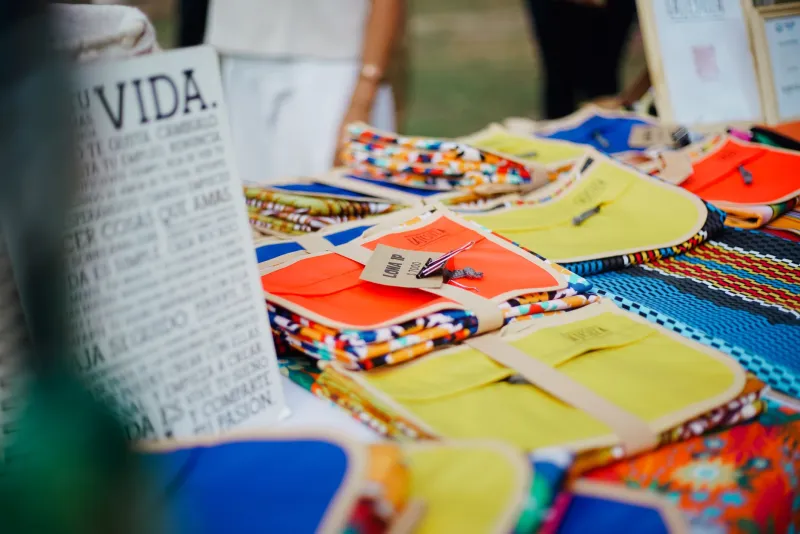
- Farmers markets and artisan fairs. Most mid-size American cities have weekend markets, and the same is true internationally. You'll find handmade goods, locally grown food products, and small-batch items that don't exist anywhere else.
- Independent craft stores and studios. In places like Santa Fe, Asheville, or Taos, there are entire neighborhoods built around working artists. You can often buy directly from the person who made the thing.
- Specialty food shops. Local olive oils, spice blends, regional preserves, artisan chocolates — these are things you'll actually consume and enjoy. A jar of locally sourced honey from a small farm in Vermont or a bottle of hot sauce from a family operation in New Mexico beats a novelty magnet every single time.
The specificity is the point. You don't want something that could have come from anywhere. You want something that could only have come from there.
The Case for Experiential Purchases
Here's a category that doesn't get talked about enough in the souvenir conversation: buying experiences instead of objects.
A lot of destinations offer short workshops, classes, or lessons that you can walk away from with an actual skill. A two-hour pasta-making class in an Italian neighborhood in Chicago. A half-day pottery workshop in Oaxaca. A surf lesson in San Diego. A cooking demo at a local spice market in Marrakech.
These aren't just fun activities — they're souvenirs in the truest sense. You carry them home in you. Every time you make that dish, throw clay on a wheel, or paddle out into a wave, you're back in that place for a moment. No shelf space required.
And if you want something physical to go with it, many workshops sell the materials they use — spice blends, pottery tools, recipe cards — so you can actually replicate the experience at home.
Think About How You Live
The best souvenirs slot naturally into your daily routine. That means it helps to think about your actual life before you buy.
If you cook a lot, a locally made cutting board, a regional spice, or a specialty condiment makes perfect sense. If you're a reader, a book by a local author — especially one you'd never find at a Barnes & Noble back home — is a genuinely meaningful find. If you're into textiles, a hand-woven throw or a piece of fabric from a local weaver is something you'll see every day.
The key is to buy things that fit the life you already live, not things that require you to build a new shelf.
Give Yourself a Budget and a Limit
This is practical, but it matters: set a souvenir budget before you leave, and give yourself a physical limit. If you're flying home with a carry-on, you have maybe one or two slots for souvenirs. That constraint is actually useful — it forces you to be selective.
When you know you can only bring back two things, you stop grabbing every cute item you see and start waiting for the thing that genuinely stops you in your tracks. That's usually the right call.
A good rule of thumb: if you're not sure in the moment, wait. Walk around. Come back to it. If you're still thinking about it an hour later, it's probably worth buying. If you forgot about it entirely, you have your answer.
The Stuff Worth Splurging On
Not every souvenir has to be cheap. Sometimes the right move is to spend real money on one quality piece instead of spreading that same amount across five forgettable items.
A hand-thrown ceramic bowl from a small studio. A piece of jewelry made by a local artisan. A quality textile or hand-stitched piece of clothing. These things last, and they tend to hold meaning in a way that mass-produced keepsakes simply don't.
When someone asks about that bowl on your kitchen counter, you get to tell them the whole story — the town, the artist, the afternoon you spent wandering through a market and stumbled into a studio. That's worth something.
Your Souvenirs Should Tell a Story
At the end of the day, the reason we buy things from places we've been is that we want to keep the experience alive. We want a thread connecting our everyday life to the moments that mattered.
The trinkets don't do that job very well. They're too generic, too disconnected from anything real. But a bottle of hot sauce from a family farm, a skill you picked up in a two-hour workshop, or a handmade bowl you watched someone finish — those things carry actual weight.
Travel changes you. Your souvenirs should reflect that.