Spend Less, Experience More: Where Your Travel Budget Actually Belongs
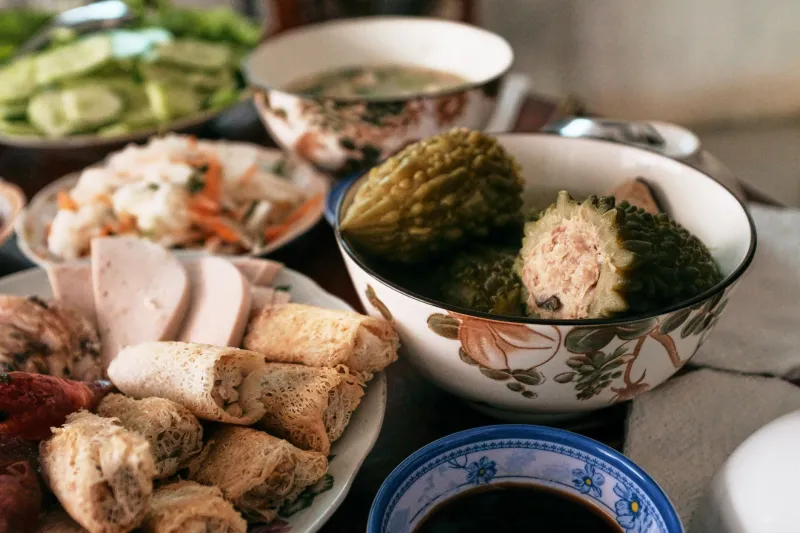
Let's talk about the $400 gondola ride in Venice that lasted 25 minutes, included a gondolier who was clearly on his 12th ride of the day, and produced exactly one good photo. Or the $280 "authentic" dinner in Santorini that was technically delicious but could have been replicated at any upscale Mediterranean restaurant in New York City. These experiences aren't bad, exactly. But they're expensive in a way that doesn't quite match what you actually get from them.
Now compare that to the $15 cooking class a traveler from Austin, Texas stumbled into in Chiang Mai, taught by a woman named Noi out of her home kitchen, that ended with everyone eating together on the floor and exchanging recipes and email addresses. Or the $60 day trip with a local guide in the Peruvian highlands that a couple from Denver booked through a community tourism collective, which included a home visit, a shared lunch, and a conversation about Andean history that none of them had read in any guidebook.
The gap between those experiences isn't just about cost. It's about what you're actually buying.
The Photography Premium Is Real — and Mostly Not Worth It
A significant chunk of what travelers pay for in popular destinations is access to a photogenic backdrop. That's not cynical, it's just true. The infinity pools, the cliffside restaurants, the iconic viewpoints with the timed-entry tickets — these things are priced at a premium because demand is driven largely by their visual appeal, and that demand is driven largely by social media.
There's nothing wrong with wanting a beautiful photo. But when the photograph becomes the point of the experience rather than a byproduct of it, you've subtly changed what you're doing. You're not traveling anymore. You're producing content. And content production is an expensive hobby with a pretty low return on actual joy.
Shifting your budget away from photogenic backdrops and toward genuine encounters doesn't mean your trip will look worse. It means you'll stop caring quite as much about how it looks, because what you're getting instead is so much better.
What to Actually Spend Your Money On
Local guides who aren't on TripAdvisor. The best guides aren't always the most reviewed ones. Community tourism organizations, local guesthouses, and even hostel bulletin boards can connect you with guides who offer something the big tour companies can't: an actual personal perspective. These guides are often cheaper, more flexible, and more interesting. A traveler from Chicago who spent two weeks in Colombia told us she paid $40 for a full-day guided walk through Medellín's lesser-known neighborhoods with a former local resident — an experience she described as the highlight of a three-week trip.
Extended stays in one place. This one saves you money almost automatically. When you stay somewhere for a week instead of two nights, you stop eating at tourist-adjacent restaurants because you've found the places the locals actually go. You start shopping at markets instead of paying hotel breakfast prices. You negotiate weekly rates on accommodation. And the longer you stay, the more the place opens up to you — which is the whole point.
Cooking classes, especially informal ones. Skip the slick culinary school experiences marketed to tourists and look for home-based classes run by individuals. These are almost always cheaper, almost always more intimate, and almost always involve eating a genuinely great meal at the end. Airbnb Experiences, local Facebook groups, and guesthouse recommendations are all good starting points.
Slow transportation. The overnight train instead of the budget flight. The ferry instead of the bridge. The local bus instead of the private transfer. These choices cost less, take longer, and put you in direct contact with people who live in the places you're visiting. Some of the best conversations happen in transit.
A Real Budget Breakdown: Two Approaches to the Same Trip
Consider two travelers, both spending ten days in Mexico with a $2,500 budget (excluding flights).
Traveler A spends four nights in Mexico City, two nights in San Miguel de Allende, two nights in Oaxaca, and two nights in Puerto Escondido. She books a photography tour at Teotihuacán, a mezcal tasting experience, and a half-day cooking class. She eats at recommended restaurants from travel publications and stays in boutique hotels with great Instagram aesthetics.
Traveler B spends the entire ten days split between Mexico City and Oaxaca. She stays in a family-run guesthouse in a residential neighborhood, takes a full-day market tour with a local food writer she found through a community forum, spends two afternoons in a ceramics workshop in a nearby village, and eats almost exclusively at markets, comedores, and spots recommended by her hosts. She attends a neighborhood festival she didn't plan for and ends up staying an extra two days.
Traveler B spends about $400 less overall. She comes home with fewer photos and a longer story.
The Budget Mindset Shift
The practical takeaway here isn't complicated: before you book anything, ask yourself whether you're paying for an experience or paying for a backdrop.
Experiences leave you with knowledge, relationships, stories, and a changed perspective. Backdrops leave you with photos. Both have their place — but when you're working with a real-world travel budget, knowing which one you're buying helps you spend in a way that you won't regret.
The most meaningful trips rarely cost the most. They just require a willingness to look in different directions than the algorithm is pointing you.